.avif)
.png)
.avif)


Content
12 Ways Minswap Users Can Save on Flights and Hotels

Minswap handles around 70% of daily DEX volume on Cardano and has processed over $7 billion in trades. If you're farming MIN and ADA rewards on the platform, that yield builds up over time. Most of it gets reinvested. But it can just as easily go toward a hotel booking at rates below what Booking.com charges, with ADA sent directly at checkout.
What makes this simpler than it sounds is that CoinBooking accepts ADA directly. Most crypto travel platforms only take BTC and ETH. That means Minswap users can go straight from farm rewards to a confirmed booking without converting to another asset first. Cardano transaction fees stay under $0.20 per transfer, so moving funds costs almost nothing.
Why Minswap Users Have a Travel Advantage
Minswap liquidity providers earn MIN and ADA yield from farming positions that accumulate continuously. Unlike yield on chains with higher fees, Cardano's transaction costs typically run under $0.20 regardless of ADA price, which means more of that yield is retained when moving funds into a travel wallet. A user withdrawing farm rewards and sending them to a booking platform loses very little to network fees in the process.
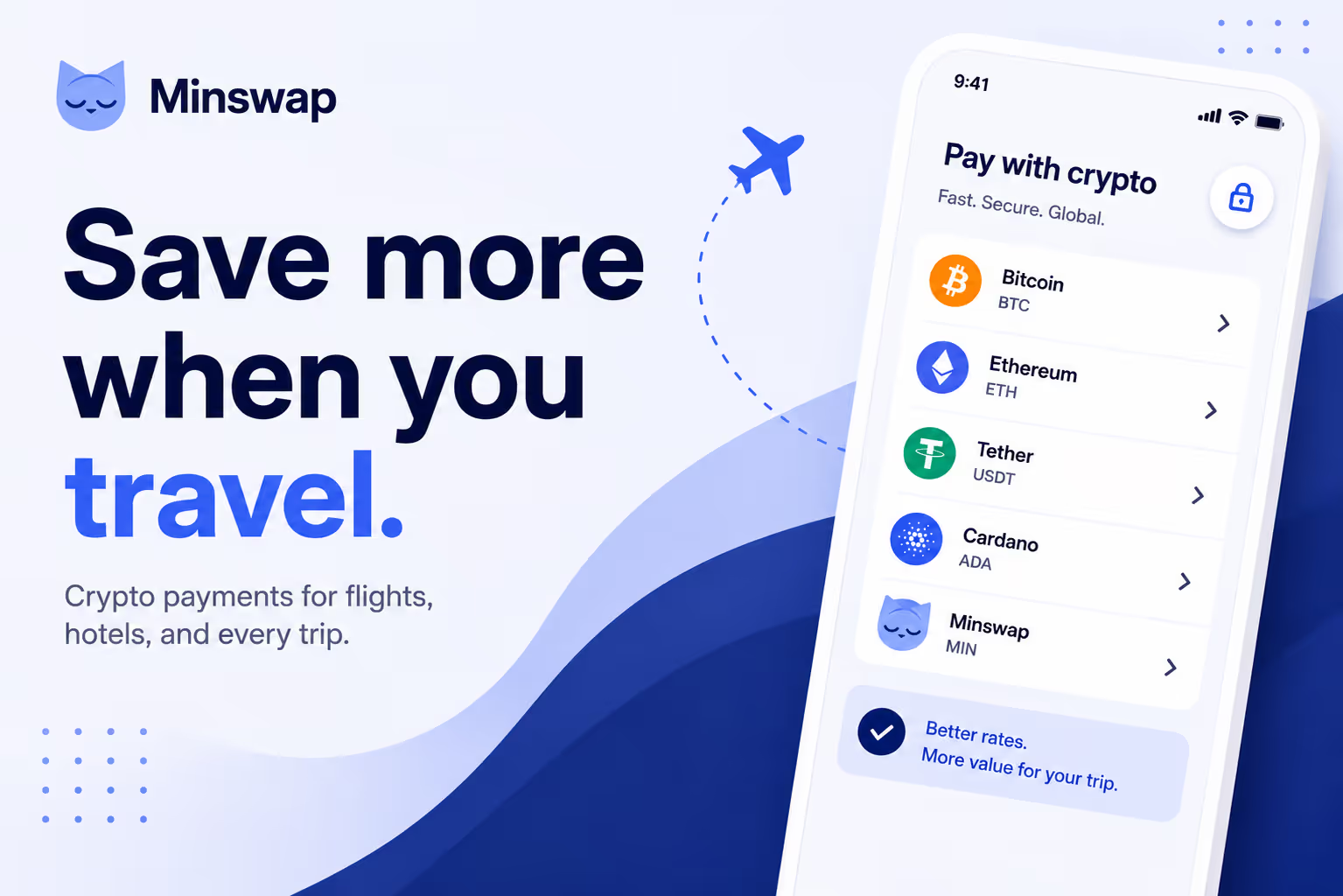
ADA is one of the more widely accepted cryptocurrencies on booking platforms, which reduces the conversion steps between a Minswap position and a confirmed hotel booking. CoinBooking accepts ADA directly alongside BTC, ETH, USDT, and 200+ other assets, and books hotels at rates below retail. The path from farm rewards to hotel booking is shorter on Cardano than on most other chains.
How Minswap Users Can Save on Flights and Hotels
1. Book Hotels and Flights with CoinBooking
The most direct move before any trip. CoinBooking is a Dubai-licensed travel platform with hotel and flight rates up to 30% below Booking.com and Expedia across 2,000,000+ properties in 190+ countries..


CoinBooking accepts ADA directly at checkout, which is worth noting because ADA acceptance is less common than BTC or ETH on travel platforms. The process is simple: withdraw ADA farm rewards from Minswap, go to CoinBooking, book the hotel. On a $300 per night property, 30% off is $90 saved per night. On five nights, that's $450 back. Visa, Mastercard, Google Pay, and Apple Pay are also accepted.
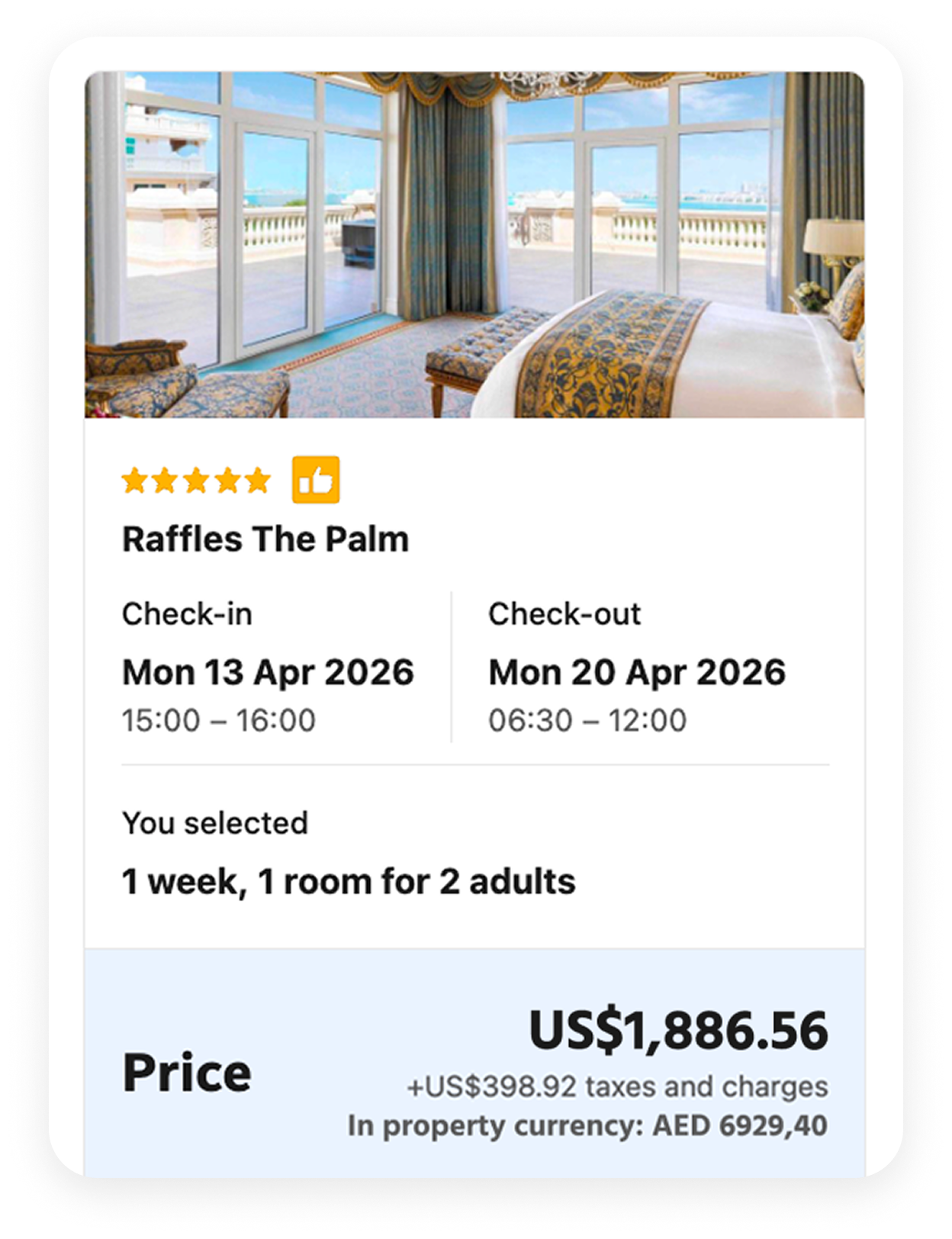
Just $870 Cheaper.

%201.png)
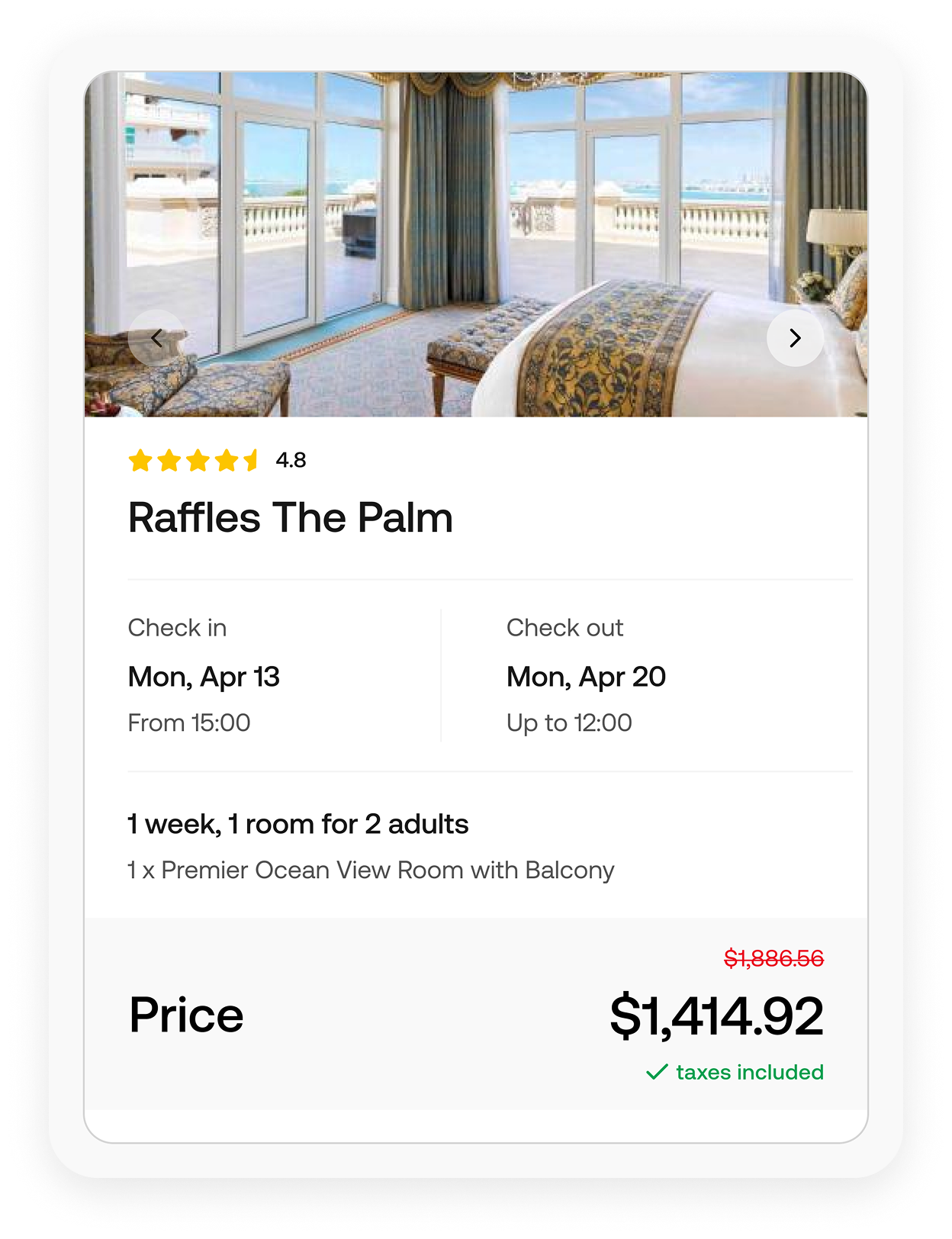
your first booking.
New users get $25 off their first booking.
Hyperliquid users also follow the same first step. Here's how the flow looks from Hyperliquid.
2. Use a Crypto Debit Card Funded From Your Cardano Wallet
A crypto debit card funded from ADA converts holdings to local currency at the point of sale and works at any Visa or Mastercard terminal. Cards from Crypto.com, Bybit, and Wirex all support ADA or USDC funding and offer cashback of between 1% and 5% on purchases. The card handles hotels, restaurants, transport, and retail on the ground without foreign transaction fees.
Used alongside a CoinBooking hotel booking, the setup covers both the largest cost before arrival and all spending once there. CoinBooking locks in the accommodation rate in ADA. The debit card handles everything on the ground.
3. Convert MIN and ADA Yield to Stablecoins Before Booking
MIN and ADA prices move with the broader market. A travel allocation held in either token six months before a trip can be worth significantly less in dollar terms by the booking date. Converting the intended travel allocation to USDC or USDT at the time the trip is planned, not at the time of booking, locks the dollar value and removes that risk.
Minswap supports stablecoin pairs including DJED, iUSD, and USDA natively on Cardano. Converting farm yield into a Cardano-native stablecoin on Minswap itself keeps the funds within the ecosystem at minimal cost. The travel allocation sits stable in value until it is needed, and deploys directly into a CoinBooking booking or a debit card load when the trip arrives.
4. Use Minswap Farm Rewards as a Dedicated Travel Fund
Rather than treating farm rewards as capital to reinvest automatically, designating a fixed percentage of MIN and ADA rewards as a travel allocation creates a fund that builds without drawing on core holdings. At 10% of weekly yield directed toward a travel wallet, a consistent farming position builds a meaningful travel fund over three to six months without disrupting the liquidity position itself.
The travel allocation sits in ADA or a stablecoin, ready to deploy into CoinBooking when the next trip is planned. Keeping it separate from the farming wallet removes the temptation to redeploy it into a new position. The discipline is simple: rewards split at withdrawal, travel portion goes to a separate address, the rest stays in the farm.
5. Lock In Your Budget With Stablecoins Before Prices Move
Flight and hotel prices move with demand and seasonality. A Minswap user who spots a strong ADA price and converts the travel allocation to USDC at that moment locks in the purchasing power of that yield before both the crypto market and the hotel price can move against them. The stablecoin holds its value through the planning period and deploys directly into a CoinBooking booking when ready.
Most platforms including CoinBooking accept USDC directly, which means the path from a converted Minswap yield position to a confirmed hotel room is a single transfer. The rate is locked, the booking confirms, and the farming positions continue running undisturbed.
6. Time ADA Conversions Around Market Peaks to Maximize Travel Funds
Minswap users who accumulate ADA from farm rewards over time can time the conversion to a stablecoin or fiat around periods of ADA strength rather than converting at a fixed date. Converting during a price peak locks in more purchasing power for the travel budget than converting at a low point. This requires no sophisticated strategy, only the discipline to set a target price and act when it is reached.
Minswap's swap interface allows direct ADA to stablecoin conversion at the current rate. Setting a target conversion level and checking it as part of a regular review of farming positions adds the same timing logic applied to liquidity management to the travel budget as well.
7. Use Cardano's Low Transaction Fees to Move Travel Funds
Moving funds on Ethereum mainnet from a yield position to a booking wallet or debit card can cost $10 to $30 in gas fees depending on network congestion. On Cardano, the same move typically costs under $0.20 regardless of ADA price or network activity. For Minswap users making regular transfers of farm yield into a travel allocation, that fee difference adds up meaningfully over a year of consistent activity.
The practical implication is that smaller, more frequent transfers from Minswap yield into a travel wallet are viable on Cardano in a way that is not cost effective on Ethereum. A user can move weekly yield into the travel allocation each time rewards are claimed rather than batching transfers to minimize gas costs.
8. Bridge ADA to Other Chains for Wider Crypto Card Compatibility
Some crypto debit cards do not natively support ADA as a funding asset. For Minswap users who want to fund a card that requires EVM-compatible tokens, bridging ADA to Ethereum or another EVM chain via Milkomeda or Wanbridge allows the converted assets to be loaded onto a wider range of card providers. The bridge process takes minutes and costs a small fee, well below what Ethereum mainnet fees would add.
This step is only necessary if the preferred debit card does not support ADA directly. Cards from Crypto.com, Bybit, and Wirex support a wide enough range of assets that most Minswap users will not need to bridge at all. It is worth checking card compatibility before bridging rather than assuming the conversion is required.
9. Build a Passive Travel Fund With Liquidity Pool Rewards
Minswap liquidity providers earn fees on every swap that passes through their pool, in addition to MIN farming rewards. Designating the fee income from a liquidity position as a travel allocation creates a fund that grows passively without any additional capital contribution. The fees accumulate in the pool and can be withdrawn on a weekly or monthly schedule into a dedicated travel wallet.
For users with consistent liquidity positions in active trading pairs, this approach funds travel spending entirely from returns on capital already deployed. The core liquidity position remains intact. The travel fund builds from the yield it generates. The farming wallet and the travel wallet stay separate.
Uphold users apply the same passive yield approach from a different platform. Here's how they build the same fund.
10. Use MIN Token Appreciation to Upgrade Travel Spending Power
MIN token appreciation between a trip's planning date and its execution date can meaningfully increase the effective travel budget without any additional capital. A user who sets aside 10,000 MIN for a trip when MIN is trading at $0.03 has a $300 travel allocation. If MIN reaches $0.05 before the booking is made, the same 10,000 MIN covers $500 in travel spending.
The practical application is to denominate the travel allocation in MIN rather than in dollars at the planning stage, and convert to ADA or USDC closer to the booking date if the token has appreciated. The upgrade might mean a better hotel category or an additional night on the itinerary. The farming position funds the upgrade without any additional draw on the core portfolio.
11. Automate Stablecoin Savings From Yield Rewards for Travel Goals
Setting a rule to convert a fixed percentage of each reward claim into a Cardano-native stablecoin on Minswap and send it to a dedicated travel address automates the travel fund without requiring active management. Each time farm rewards are claimed and the travel portion is converted and transferred, the fund grows by a predictable amount.
Over three to six months of consistent farming, this approach builds a travel fund that is ready to deploy into a CoinBooking booking without any scrambling at the last moment to convert positions. The rule requires setting up once. After that, the fund builds with every reward claim.
12. Combine MIN Farming With a Crypto Cashback Card for Extra Savings
MIN farming generates yield that builds the travel fund. A crypto cashback card earns rewards on every purchase once the trip begins. Combining both creates a saving on two levels: the accommodation booked in ADA through CoinBooking at rates below retail, and the card rewards earned on restaurants, transport, and activities throughout the trip.
A Minswap user who books a $400 hotel through CoinBooking at 30% off saves $120 on the booking, then earns 2% to 5% back on $1,000 in additional spending during the trip. The farming yield funded the trip. The card rewards reduce the cost of every transaction within it.
QuickSwap users run the same combination from a different DEX. Here's how the numbers stack up.
Frequently Asked Questions
1. Can I book hotels directly with ADA from Minswap?
Yes. CoinBooking accepts ADA directly at checkout, which means ADA earned from Minswap farming can go straight into a hotel booking without any conversion to BTC or ETH first. ADA direct acceptance is less common than BTC or ETH on booking platforms, making CoinBooking a particularly practical option for Cardano users. Rates run up to 30% below Booking.com and Expedia. New users get $25 off their first booking.
2. What is the most direct way to convert Minswap yield into travel spending?
Withdraw ADA farm rewards from Minswap and transfer directly to CoinBooking for hotel or flight bookings, or load onto a crypto debit card for on-the-ground spending. Both routes skip the CEX withdrawal fee and the bank transfer delay. Cardano transaction fees run under $0.20, so the transfer cost is minimal. The ADA settles at the destination in minutes.
3. How much can a Minswap user realistically save on a trip?
Booking through CoinBooking saves up to 30% on accommodation compared to Booking.com or Expedia. A crypto debit card removes the 1% to 3% foreign transaction fee on every purchase. Converting yield to stablecoins before booking removes currency conversion spreads. On a $3,000 trip, applying all three realistically saves $400 to $600 depending on the destination and booking timing.
4. Does Cardano's low fee structure make a difference for travel fund building?
Yes, meaningfully. Moving yield from a Minswap position to a travel wallet on Cardano typically costs under $0.20 per transaction. The equivalent move on Ethereum mainnet can cost $10 to $30 in gas fees depending on congestion. For users making regular weekly transfers of farm yield into a travel allocation, Cardano's fee structure makes small, frequent transfers cost-effective in a way that Ethereum does not.
5. Can I use MIN tokens directly to book travel?
MIN is not currently accepted directly by most booking platforms including CoinBooking. The practical route is to swap MIN for ADA or USDC on Minswap first, then use the converted asset for the booking. The swap costs under $0.20 in Cardano transaction fees. If MIN has appreciated since the farming position was opened, converting at a peak captures additional purchasing power for the travel budget.
6. Is bridging ADA to other chains necessary for crypto card use?
Not always. Cards from Crypto.com, Bybit, and Wirex support ADA or USDC funding directly, which means most Minswap users can fund a debit card without bridging. Bridging via Milkomeda or Wanbridge is only necessary if the preferred card requires EVM-compatible tokens and does not accept ADA natively. Check card compatibility before bridging to avoid an unnecessary step.
You optimized your portfolio. Now optimize your travel costs.
Book hotels and flights for up to 30% less with CoinBooking.

Yaryna Dobrianska is a Dubai-based business and technology writer with a background in fintech and digital services. She covers cryptocurrency adoption, cross-border payments, and the practical realities of spending digital assets across emerging markets.
Her work at Polkastarter focuses on making Web3 accessible, breaking down how crypto moves through real-world financial systems, from payments infrastructure to on-chain adoption trends.